


If you have ever had a conversation with a marketer, you almost certainly have heard the phrase that “A brand is an emotion”, “A brand is an idea”, or something along those lines. Ultimately, a brand really is a perception. It is how we perceive a product, service, or even an individual. If done correctly, we can identify distinct brands by identifiers like their color, typography, imagery, tone of voice, etc. Brand designers go to great lengths to establish this identity. However, identity isn’t limited to only the visual. In fact, the truth is that we experience brands long before we consciously notice them. In a world of fragmented attention and voice interfaces, the next frontier of branding isn’t what you see, it’s what you feel.
The Rise of the Sensory Brand
Multisensory branding isn’t new, it’s just finally measurable. Brands like Apple, BMW, and Coca-Cola have been using sound, motion, and texture as part of their brand language for years. Think of the Mac startup chime, Netflix’s “ta-dum” sound or Coca Cola’s signature “crack, fizz, pour” audio.
But now, advances in spatial computing, immersive media, and AI-driven personalization are making multisensory design scalable. Brands can orchestrate every sensory touchpoint.
Why Multisensory Matters More Than Ever
Attention spans are shrinking, but emotional recall is multisensory. Research from the Journal of Consumer Research shows that multisensory cues increase brand recall significantly more compared to single-sense experiences. A McKinsey study on customer experience found that emotionally engaging brands outperform competitors in sales growth.
That’s because memory is encoded through multiple senses. We trust what we can see, hear, and feel. Today’s consumers navigate brands across screens, voices, and physical environments. A purely visual identity isn’t enough. The next generation of brand systems needs to work across voice assistants, XR interfaces, and smart devices.
Sound Is the New Logo
Sonic branding has recently caught the attention of many. However, as I said before, using sound as a distinct identifier and function of brand experience is not new. Back in the day, jingles were all the rage. With TV and Radio being the primary method of communicating with your customer, it worked. They were longer, catchier, and people remember some even after decades.
The concept still holds true. It’s just that in the modern world, we interact with a brand in more ways than one. We don’t just pick a product off a shelf anymore or watch an ad on TV. We use complex digital products where there is an opportunity to delight a user even at the app-action level.
When Mastercard launched its global sonic identity in 2020, it wasn’t just a jingle, it was an entire sound architecture designed to adapt across contexts (ads, retail checkout tones, app sounds). Within six months, Mastercard’s brand recall increased in markets where its sonic logo was active, per research from Mastercard and GfK Global.
Similarly, Netflix’s “ta-dum” has been tuned to trigger dopamine responses similar to anticipation. McDonald’s “I’m Lovin’ It” evolved from campaign to audio brand mark, used across 100+ countries.
Motion and Micro-Interactions: The Visual Pulse of Brand
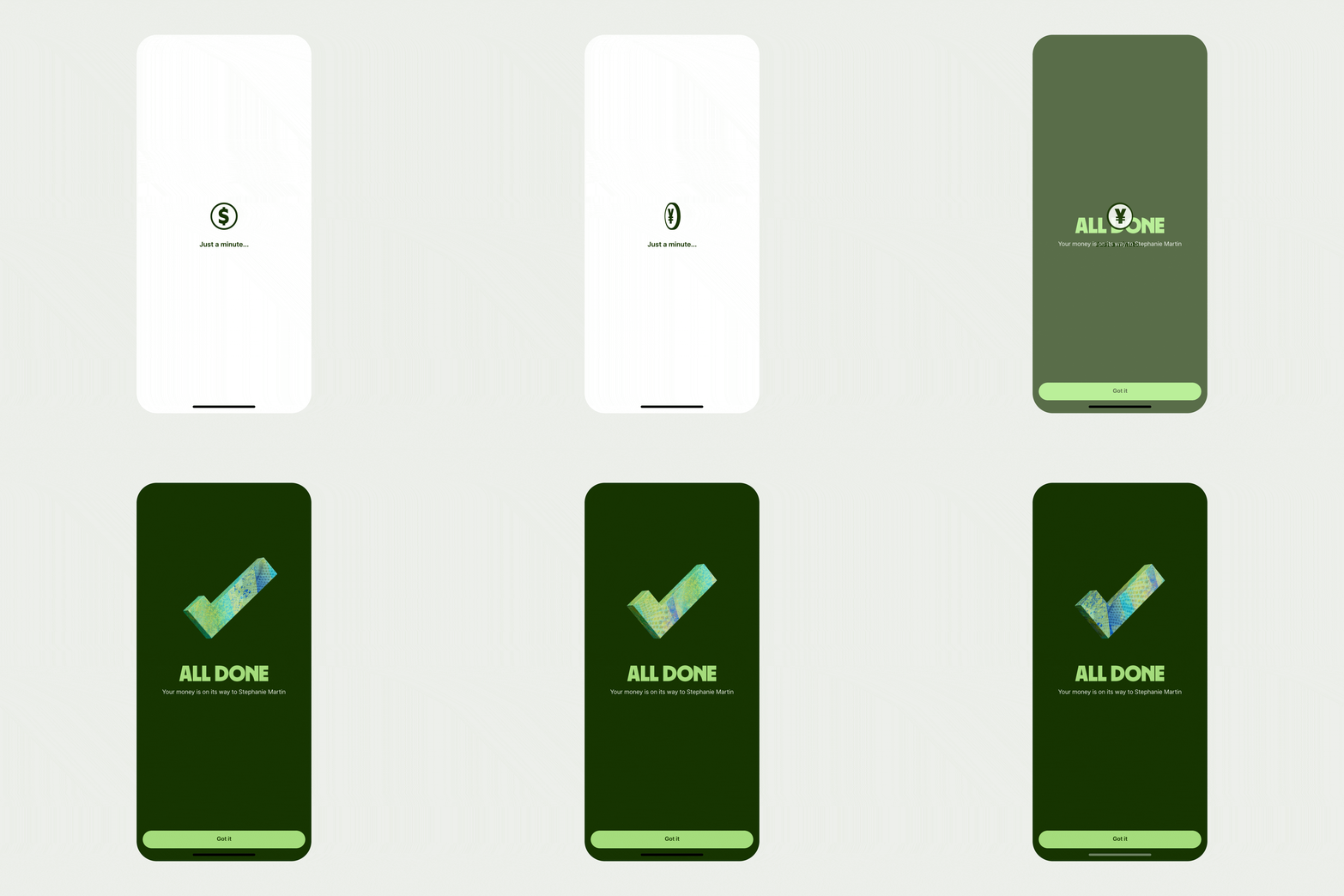
In digital environments, motion acts as body language. Micro-interactions, like the bounce of a button or the fade of a loading state, communicate personality.
For instance, Slack’s loading animation feels playful and conversational, perfectly aligned with its brand tone. Google’s Material Design uses motion as feedback, making interfaces feel tactile and alive. Spotify’s audio visualizers use responsive color and motion to create a living brand presence.
Motion design, when applied consistently, builds familiarity as strong as color palettes once did.
Spatial & Haptic Experiences
The rise of spatial computing (Apple Vision Pro, Meta Quest 3, AR retail) means brand designers are now creating in 3D space. Sound becomes directional, color interacts with depth, motion has presence.
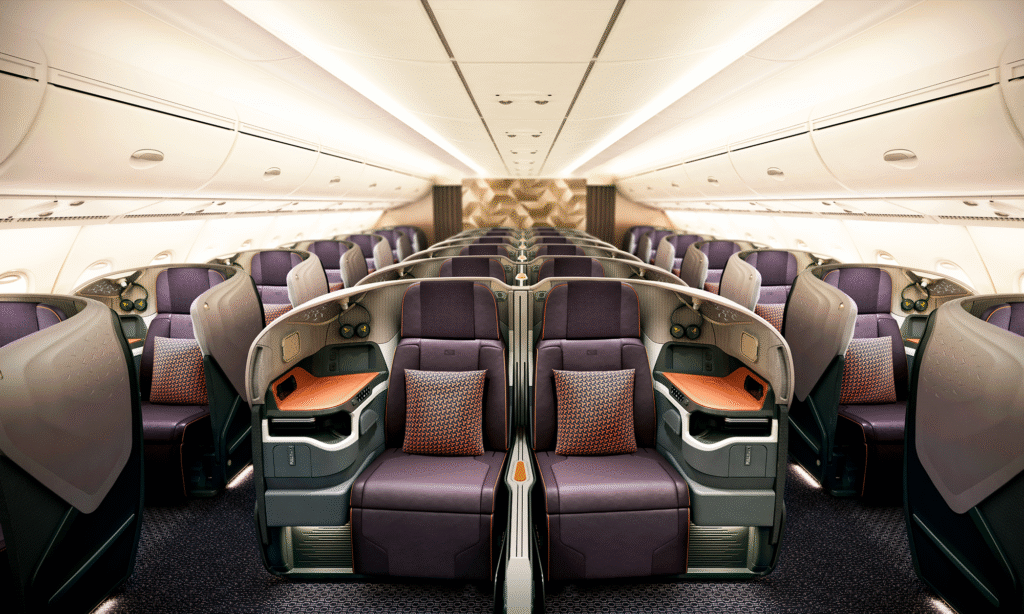
Meanwhile, in physical retail, brands are experimenting with scent and texture to extend identity beyond the screen: Singapore Airlines’ signature scent “Stefan Floridian Waters” is diffused in lounges and on planes to create continuity. Nike’s House of Innovation in NYC uses haptic materials and motion-responsive lighting to merge digital and physical experience.
Where to begin?
Here’s how to start small:
-
Audit your sensory footprint: What does your brand sound like, feel like, or move like?
-
Build a sonic logo: Even simple note sequences can boost recognition.
-
Define motion behaviors: Create animation principles that reflect your tone.
-
Map your sensory journey: Identify key physical and digital touchpoints to align across sound, sight, and space.
-
Test emotional recall: Use sound and motion prototypes in focus groups to measure emotional resonance.
Brands that master multisensory design will become not just recognized, but remembered. And in a noisy world, memory is the ultimate differentiator.