

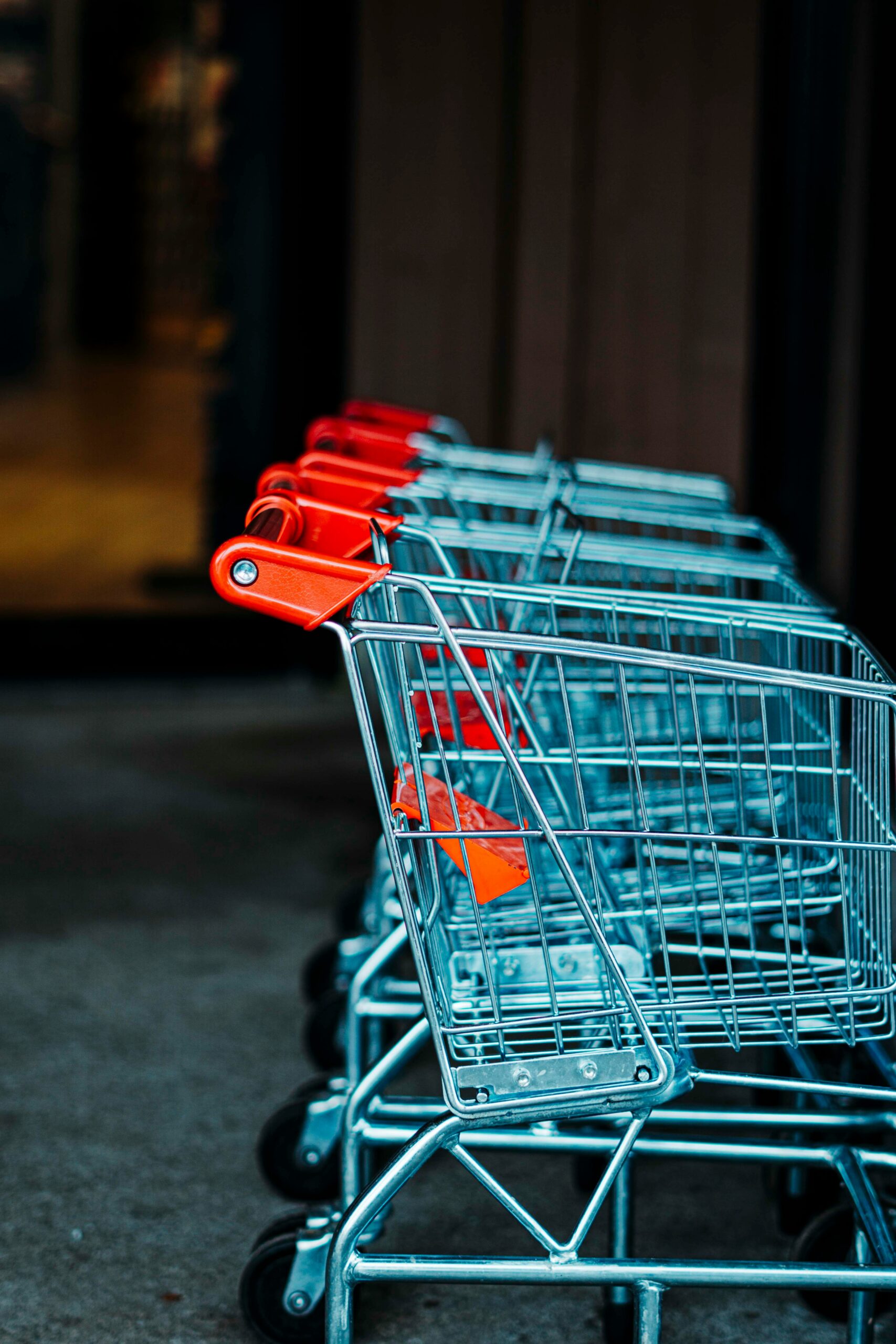

In an increasingly competitive world, the ideal scenario is that brands with recognizability and loyalty enjoy customers who purchase from them regularly. Realistically, though, brand loyalty is still developing in many sectors, especially where multiple similar options exist and true differentiation is limited.This is especially the case for superstore chains. There isn’t much room to play with in terms of pricing and they often compete with several other brands, traditional wet markets, and grocery stores in the same area. Customer experience is a key differentiator for such brands.
Let me elaborate. As hinted at earlier, ideally a brand wants a customer to shop at their place of business on a regular basis. The business they drive from each customer therefore is not what is spent in one shopping trip but the total number of trips over a period of time. We call this Customer Lifetime Value (LTV).
LTV is used to measure the total business generated from a customer over a period of time. It is one of the most important business metrics, especially when compared against acquisition and retention costs.
Let’s do some math
Suppose you spent a large amount of money to promote your superstore brand, announce your presence, and then more money to promote offers and retain your customer.
For simplicity’s sake, let’s say you spent 1,000,000 BDT and as a result you acquired 100 regular customers who shop at your store for 1 year as a result of your efforts. You roughly spent 10,000 BDT per customer. This only makes business sense if over the course of this 1 year, a single customer makes a total purchase larger than 100,000 BDT (assuming 10% gross margin for simplification). Anything lower and you won’t even make back your original acquisition cost.
Now depending on the customer’s average basket size, you would want that customer to come back a number of times because no one is going to spend 100,000+ BDT on one grocery shopping trip.
Now imagine this scenario
A customer shops once, spends 5,000 BDT, and has an awful experience. As a result, they never return. You already spent 10,000 BDT to acquire that customer.
So ask yourself:
- How much profit did you make from the 5,000 BDT revenue?
- How much did you instantly lose in acquisition spend?
- What happens to the future revenue you were counting on?
- How much more will you need to spend just to win a similar customer again?
This isn’t a far fetched scenario. In many urban areas, there are several other superstore brands and traditional grocery stores to choose from within minutes of each other. It really is that easy to lose a customer.
A Single Experience Can Erase an Entire LTV
Imagine one poor in-store interaction, a smelly store, a rude cashier, or a long queue with no support. One moment like that, and a customer may never return.That brand doesn’t just lose a transaction, it loses the entire lifetime value of that customer, along with potential negative word-of-mouth.
Experience Is the Real Driver of Loyalty
Brands must deliver on their promise at every touch point. When they miss one, they must have mechanisms to salvage the situation in the next. Flashy reels on social media or millions spent on advertising will not matter if customers walk out of their stores feeling disappointed.
Marketing brings customers in. Experience keeps them coming back.
The brands that understand this will win. The ones that don’t will continue to pour money into campaigns while losing customers right at the checkout line.